

Azadirachta indica (Neem Tree)
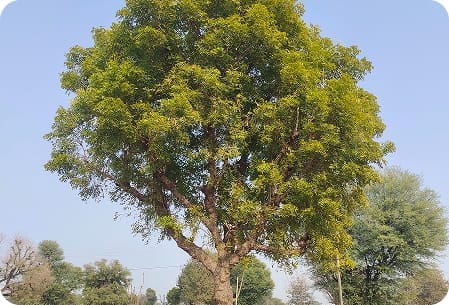
A hardy and fast-growing tree valued for its natural medicinal properties and ability to deter pests. Neem contributes to a healthier landscape while supporting ecological balance without chemical intervention.
Pterocarpus indicus (Narra)
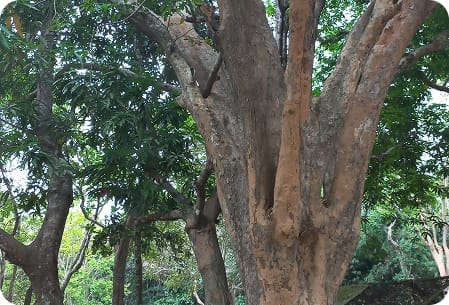
The national tree of the Philippines, Narra is prized for its strength, shade, and cultural significance. It enriches soil through nitrogen fixation and provides shelter for birds and small wildlife.
Chrysophyllum cainito (Caimito / Star Apple)
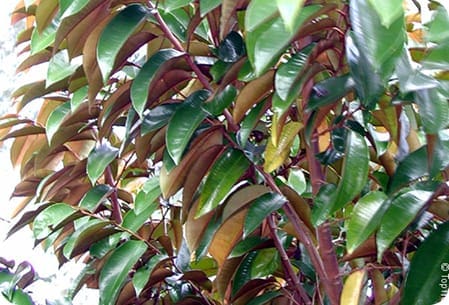
Recognised by its glossy leaves and sweet fruit, Caimito supports pollinators and enhances the tropical character of garden spaces.
Roystonea regia (Royal Palm)
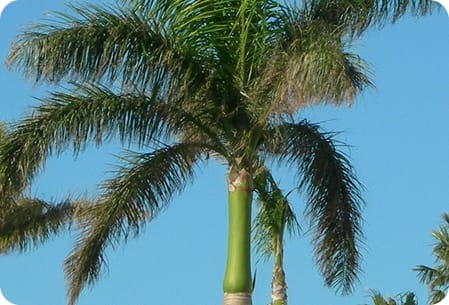
Tall and elegant, Royal Palms define pathways and open spaces. They offer light shade and serve as roosting sites for birds
Ptychosperma macarthurii (McArthur Palm)
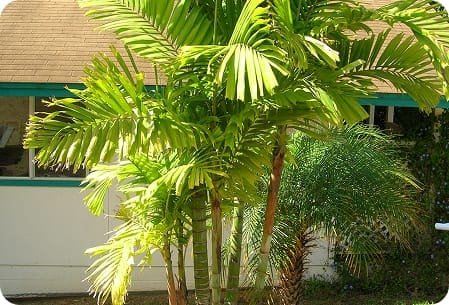
A clustering palm with slender stems and lush fronds, commonly used for natural screening and visual softness across landscaped areas.
Saribus rotundifolius (Anahaw)
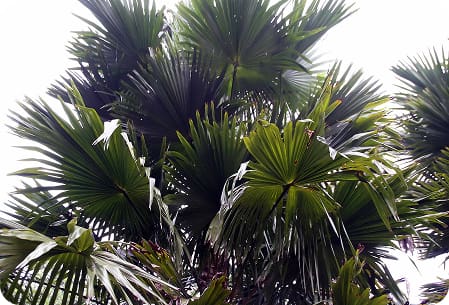
A culturally significant palm with fan-shaped leaves traditionally used in Filipino crafts. Wind-resistant and ideal for coastal environments.
Spathodea campanulata (African Tulip Tree)
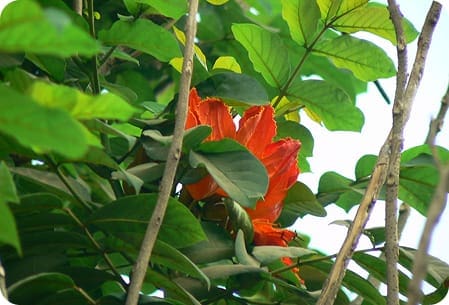
Known for its bright, showy flowers that attract birds and pollinators. Carefully managed within the landscape to maintain balance.
Ficus variegata (Tangisang Bayawak)
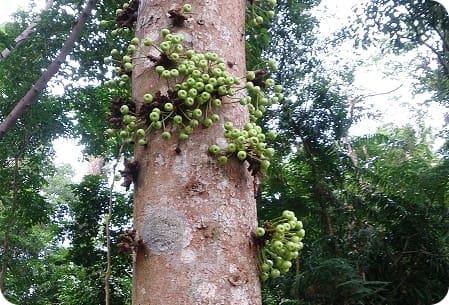
A keystone species whose fruits provide food for birds and bats, helping sustain local wildlife populations.
Artocarpus blancoi (Antipolo)
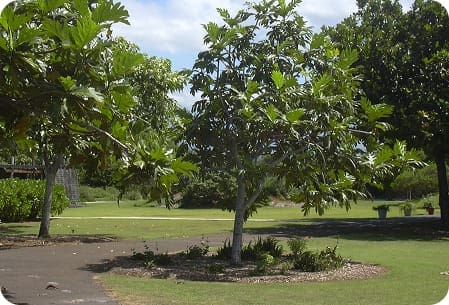
A native hardwood traditionally used in boatbuilding. Antipolo provides shade and strengthens the resort’s connection to local heritage.
Morinda citrifolia (Noni)
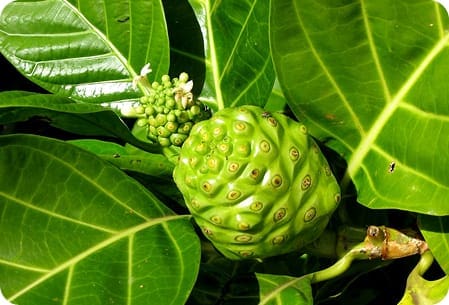
A resilient coastal tree known for its traditional medicinal uses. It supports wildlife and helps stabilise sandy soils.