A scientific and cultural record of the flora thriving around the resort.
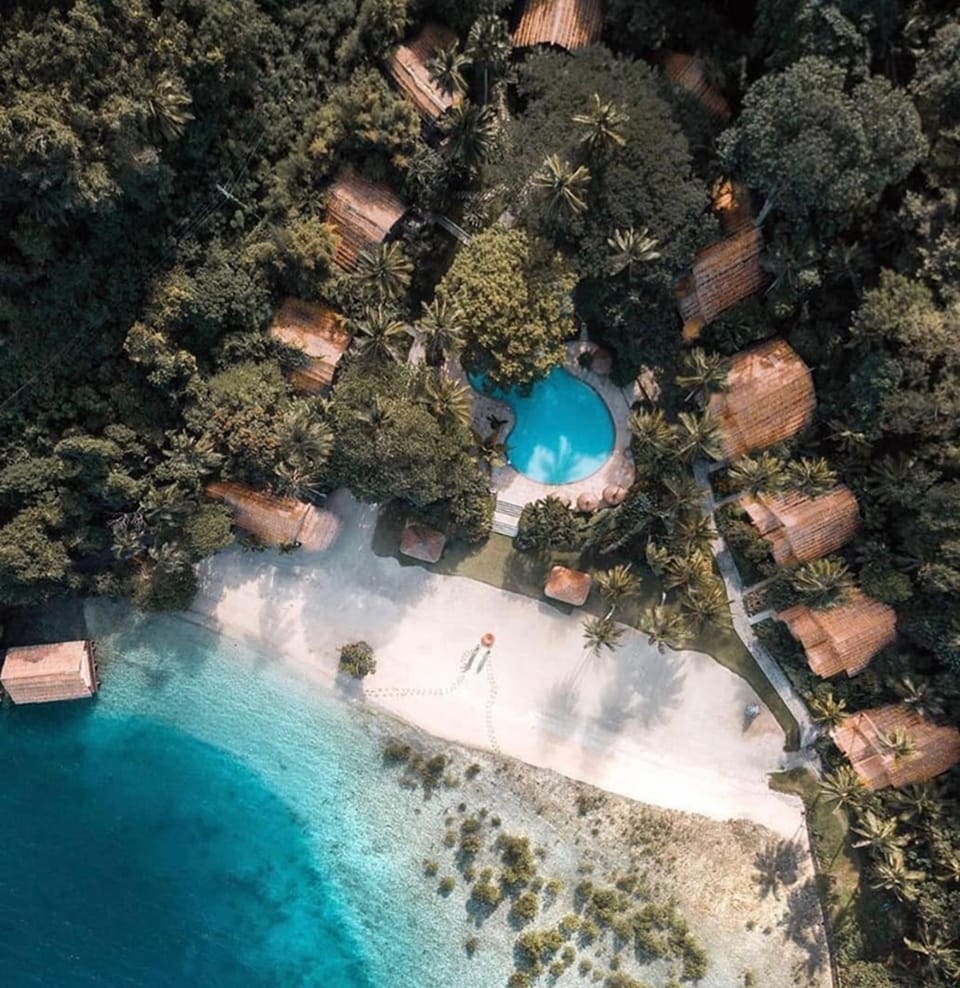
The landscapes of Pearl Farm Beach Resort are shaped by a rich collection of plant life — trees, palms, and understory species that thrive naturally within the island’s coastal and forested environments.
This catalogue presents 23 documented plant species found within the resort and its surrounding ecological zones, carefully identified in collaboration with faculty researchers from Davao del Norte State College. Together, these species form the foundation of the island’s biodiversity, supporting wildlife, stabilizing the land, and enriching the guest experience.
Each plant plays a quiet but essential role in sustaining the natural balance of the island.
The Trees That Shape Our Island
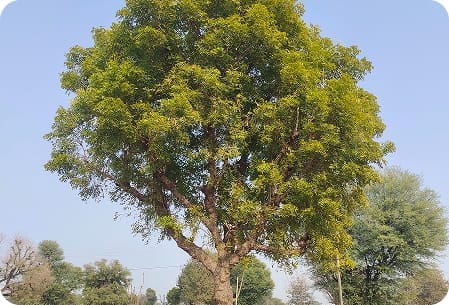
Azadirachta indica (Neem Tree)
A hardy and fast-growing tree valued for its natural medicinal properties and ability to deter pests. Neem contributes to a healthier landscape while supporting ecological balance without chemical intervention.
Pterocarpus indicus (Narra)
The national tree of the Philippines, Narra is prized for its strength, shade, and cultural significance. It enriches soil through nitrogen fixation and provides shelter for birds and small wildlife.
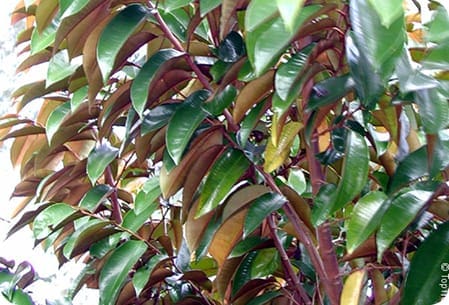
Chrysophyllum cainito (Caimito / Star Apple)
Recognised by its glossy leaves and sweet fruit, Caimito supports pollinators and enhances the tropical character of garden spaces.
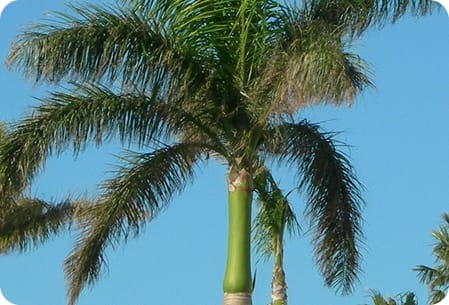
Roystonea regia (Royal Palm)
Tall and elegant, Royal Palms define pathways and open spaces. They offer light shade and serve as roosting sites for birds
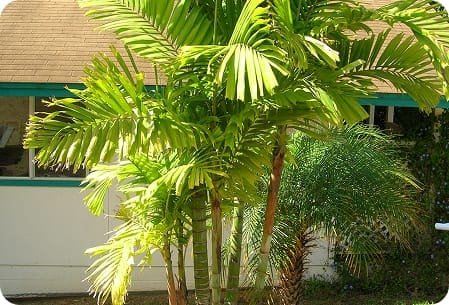
Ptychosperma macarthurii (McArthur Palm)
A clustering palm with slender stems and lush fronds, commonly used for natural screening and visual softness across landscaped areas.
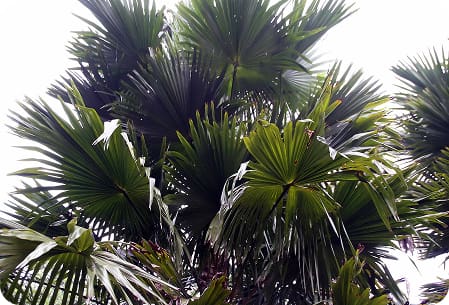
Saribus rotundifolius (Anahaw)
A culturally significant palm with fan-shaped leaves traditionally used in Filipino crafts. Wind-resistant and ideal for coastal environments.
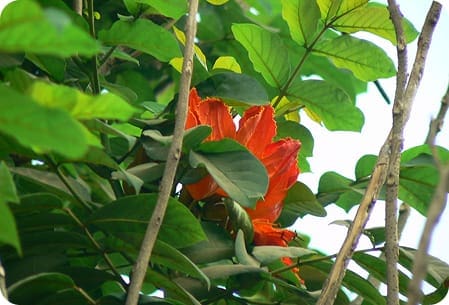
Spathodea campanulata (African Tulip Tree)
Known for its bright, showy flowers that attract birds and pollinators. Carefully managed within the landscape to maintain balance.
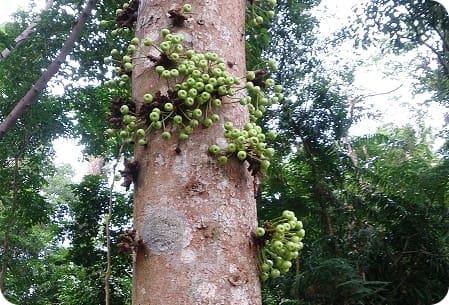
Ficus variegata (Tangisang Bayawak)
A keystone species whose fruits provide food for birds and bats, helping sustain local wildlife populations.
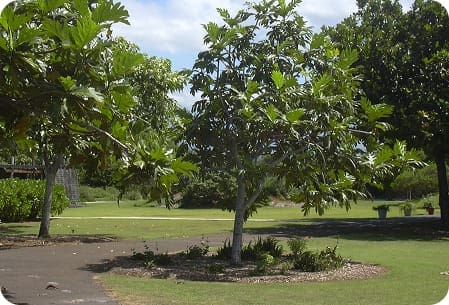
Artocarpus blancoi (Antipolo)
A native hardwood traditionally used in boatbuilding. Antipolo provides shade and strengthens the resort’s connection to local heritage.
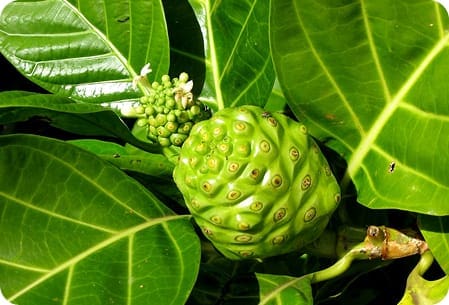
Morinda citrifolia (Noni)
A resilient coastal tree known for its traditional medicinal uses. It supports wildlife and helps stabilise sandy soils.
Intsia bijuga (Ipil)
A rare and durable hardwood species with high ecological value. Its presence reflects the resort’s commitment to preserving native trees.
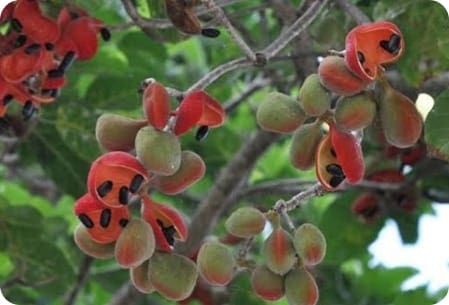
Sterculia ceramica (Banitiad)
A broad-leafed tree with distinctive seed pods, contributing shade, habitat diversity, and visual character.
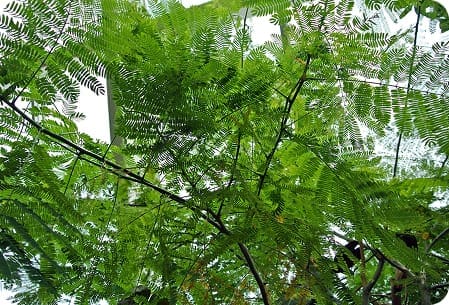
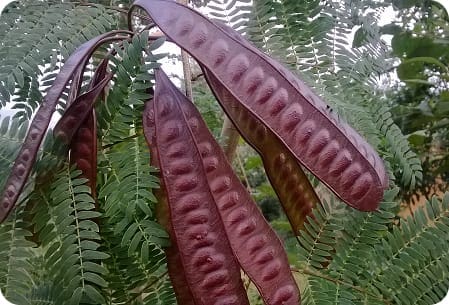
Leucaena leucocephala (Ipil-ipil)
A fast-growing legume that improves soil fertility through nitrogen fixation and supports landscape regeneration.
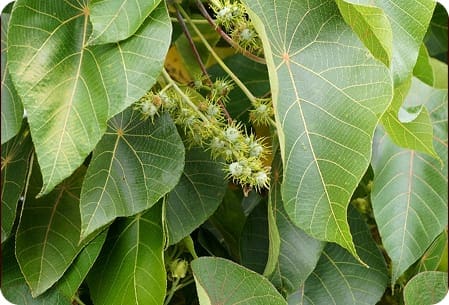
Macaranga tanarius (Binunga)
A pioneer species important for forest recovery, enriching soil and encouraging the return of wildlife.
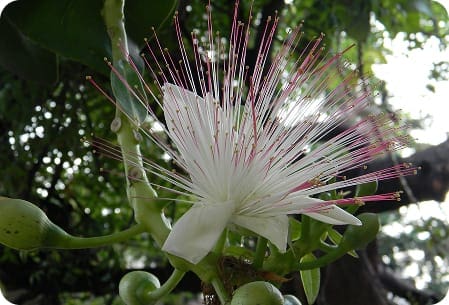
Barringtonia asiatica (Putat)
A shoreline specialist with striking flowers and buoyant fruits. It helps stabilise coastal areas and supports nearshore ecosystems.
Life Beneath the Canopy
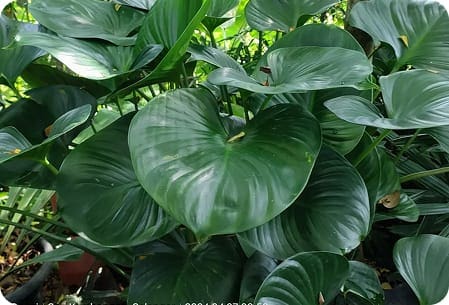
Homalomena philippinensis (Alupayi)
A shade-loving plant with broad leaves that helps retain soil moisture and softens garden spaces.
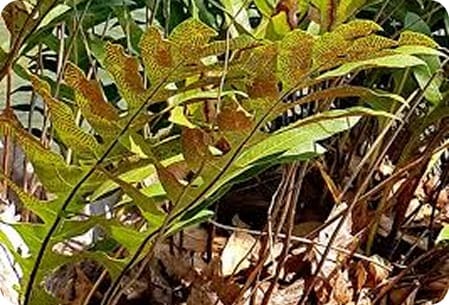
Drynaria quercifolia (Oakleaf Fern)
A hardy fern with distinctive fronds, commonly found growing on trees or rocks in shaded zones.
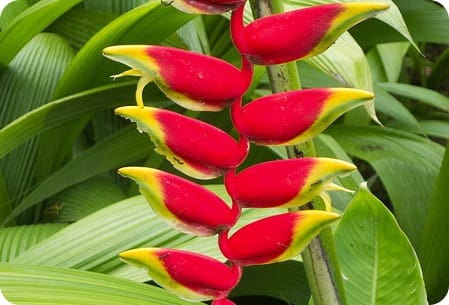
Heliconia rostrata (False Bird of Paradise)
Known for its vibrant, hanging bracts that attract pollinators and add tropical colour to the landscape.
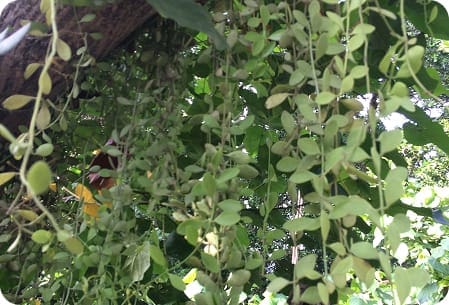
Dischidia oiantha (Hanging Coin Vine)
A delicate epiphyte with coin-shaped leaves, often cascading from trees and adding visual interest.
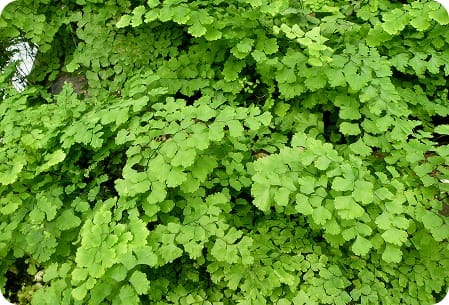
Adiantum capillus-veneris (Maidenhair Fern)
A soft, graceful fern that thrives in moist, shaded conditions, enhancing tranquil garden paths.
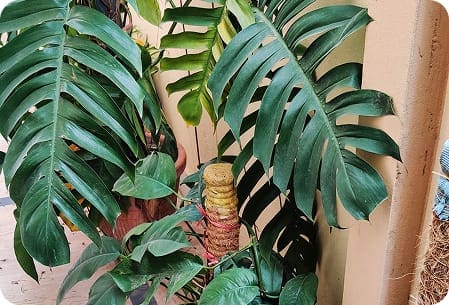
Epipremnum pinnatum (Dragon-Tail Plant / Tibatib)
An epiphytic fern with sculptural fronds that thrives on tree trunks, adding texture and depth to shaded areas.
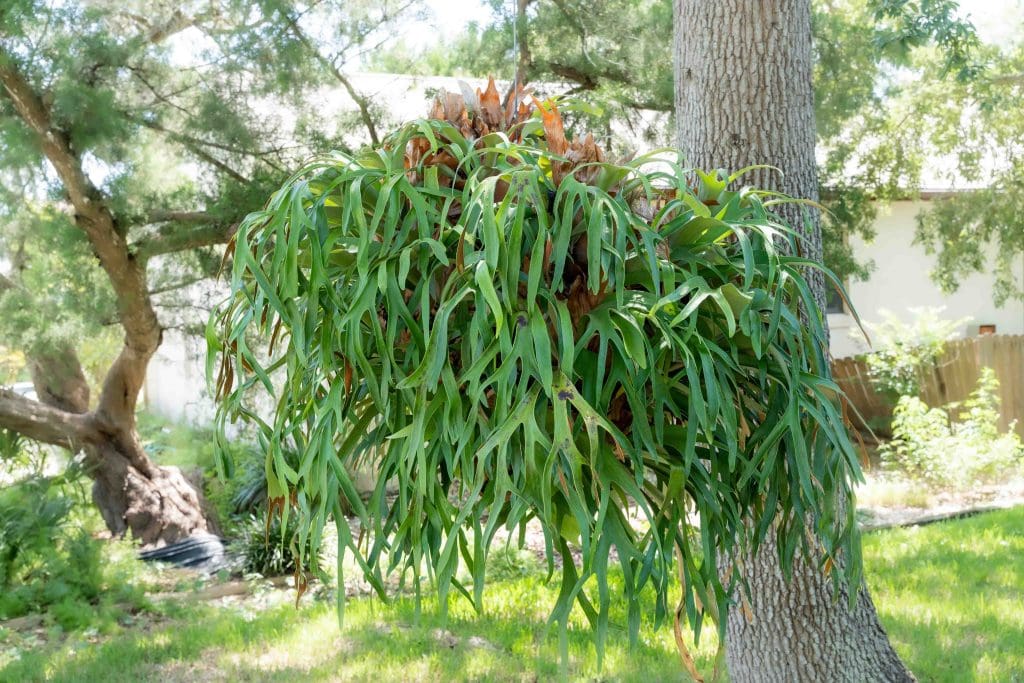
Platycerium coronarium (Staghorn Fern)
An epiphytic fern with sculptural fronds that thrives on tree trunks, adding texture and depth to shaded areas.
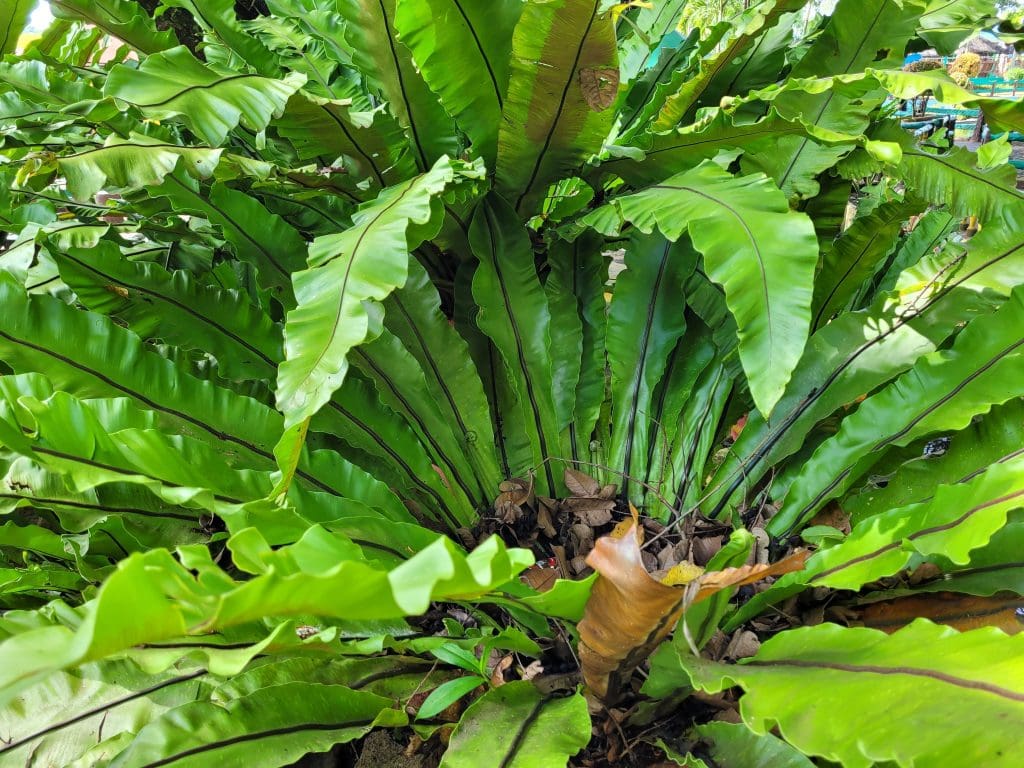
Asplenium nidus (Bird’s Nest Fern)
A rosette-forming fern that naturally collects organic matter and moisture, supporting understory ecology.
Living in Balance
Together, these species create a layered ecosystem — offering shade, shelter, nourishment, and beauty throughout the island. They remind us that biodiversity is not only something to observe, but something to care for and preserve.
Explore. Learn. Protect.
Discover how Pearl Farm continues to safeguard the biodiversity that makes this island home.